Are There Foods that Boost Testosterone?
Many men search for “testosterone boosting foods,” but nutrition alone rarely fixes clinically low testosterone. The real answer is more nuanced.


Low testosterone has become a major topic in men’s health. Social media is full of claims about foods that boost testosterone, supplements, and “natural hacks” that supposedly raise testosterone overnight. Some of these recommendations are helpful. Others are exaggerated, misleading, or simply ineffective.
The truth is that food can support healthy hormone function, but it usually is not enough to fully correct low testosterone on its own. If you are experiencing symptoms like fatigue, low libido, weight gain, brain fog, poor recovery, or reduced motivation, it is important to understand what actually works and where lifestyle changes fit into a larger hormone optimization plan.
AtPremier Integrative, testosterone optimization starts with understanding the whole picture, including nutrition, body composition, sleep, stress, and hormone levels.
Are There Foods that Increase Testosterone?
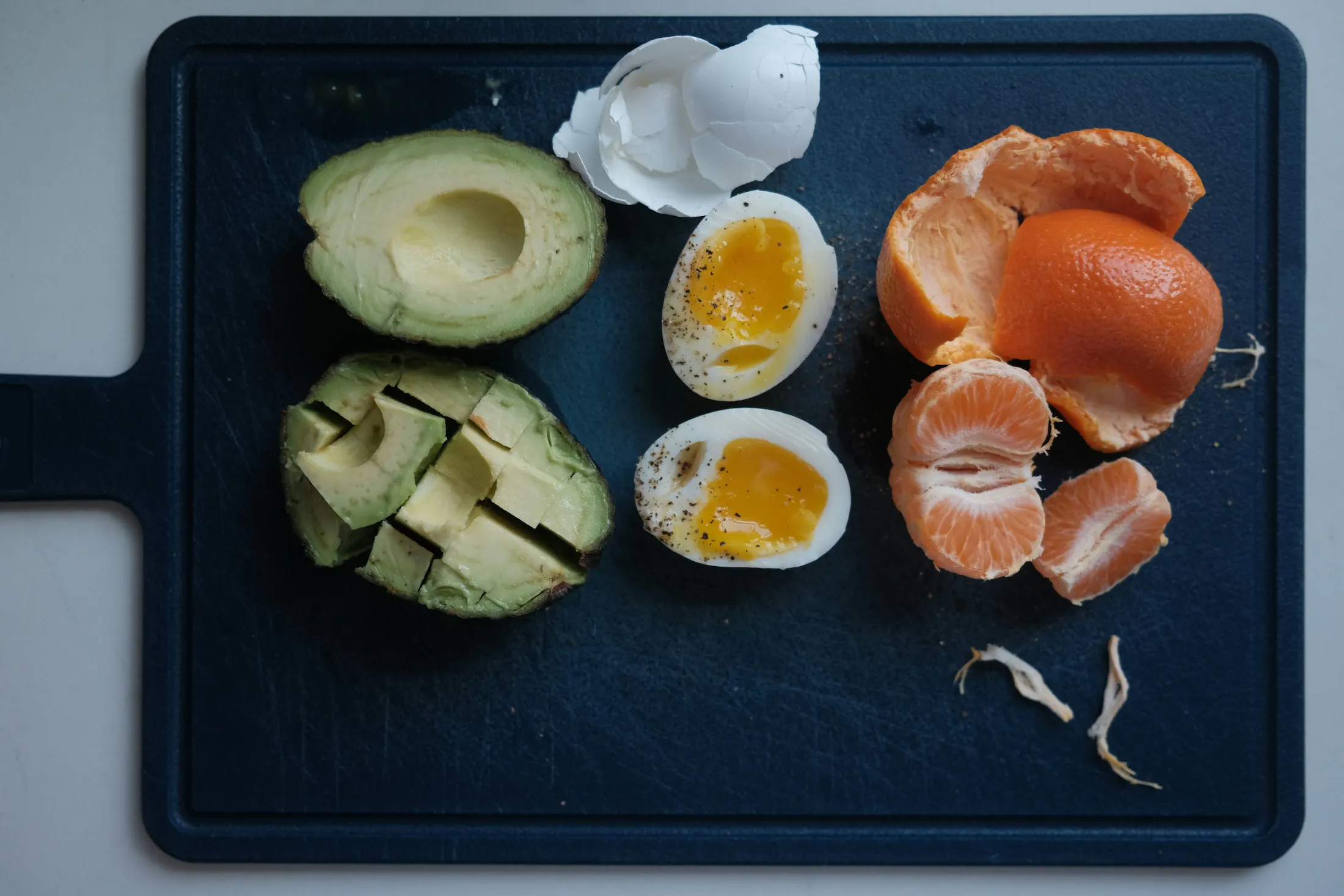
Not all fat is bad. Healthy fats can help support testosterone production and improve your overall wellbeing.
No one food can directly increase testosterone production, but there are some foods that support testosterone production. These are foods that provide nutrients the body needs to create and regulate hormones. However, these foods support healthy function rather than dramatically increasing testosterone levels.
Foods Rich in Healthy Fats
Hormones are built from cholesterol and healthy fats. Extremely low-fat diets may negatively affect testosterone production in some men. Foods that may support hormone health include:
- Avocados
- Olive oil
- Nuts and seeds
- Fatty fish like salmon and sardines
- Whole eggs
Healthy fats also help support brain health, recovery, and overall metabolic function.
Zinc-Rich Foods
Zinc plays an important role in testosterone production. Men who are deficient in zinc may experience lower testosterone levels. Good sources include:
- Oysters
- Red meat
- Pumpkin seeds
- Chickpeas
- Shellfish
That said, taking excessive zinc supplements does not automatically create higher testosterone levels if your body is already sufficient.
Vitamin D Sources
Vitamin D functions more like a hormone than a traditional vitamin. Low vitamin D levels are commonly associated with lower testosterone. Foods with vitamin D include:
- Salmon
- Egg yolks
- Fortified dairy products
Sunlight exposure and medically guided supplementation may also help if levels are low.
Protein for Muscle Maintenance
Protein supports muscle growth and recovery, which indirectly supports hormone balance and metabolic health. Good sources include:
- Lean meats
- Greek yogurt
- Fish
- Cottage cheese
- Legumes
Maintaining muscle mass and reducing excess body fat can positively influence testosterone over time.
What Foods and Habits May Hurt Testosterone?
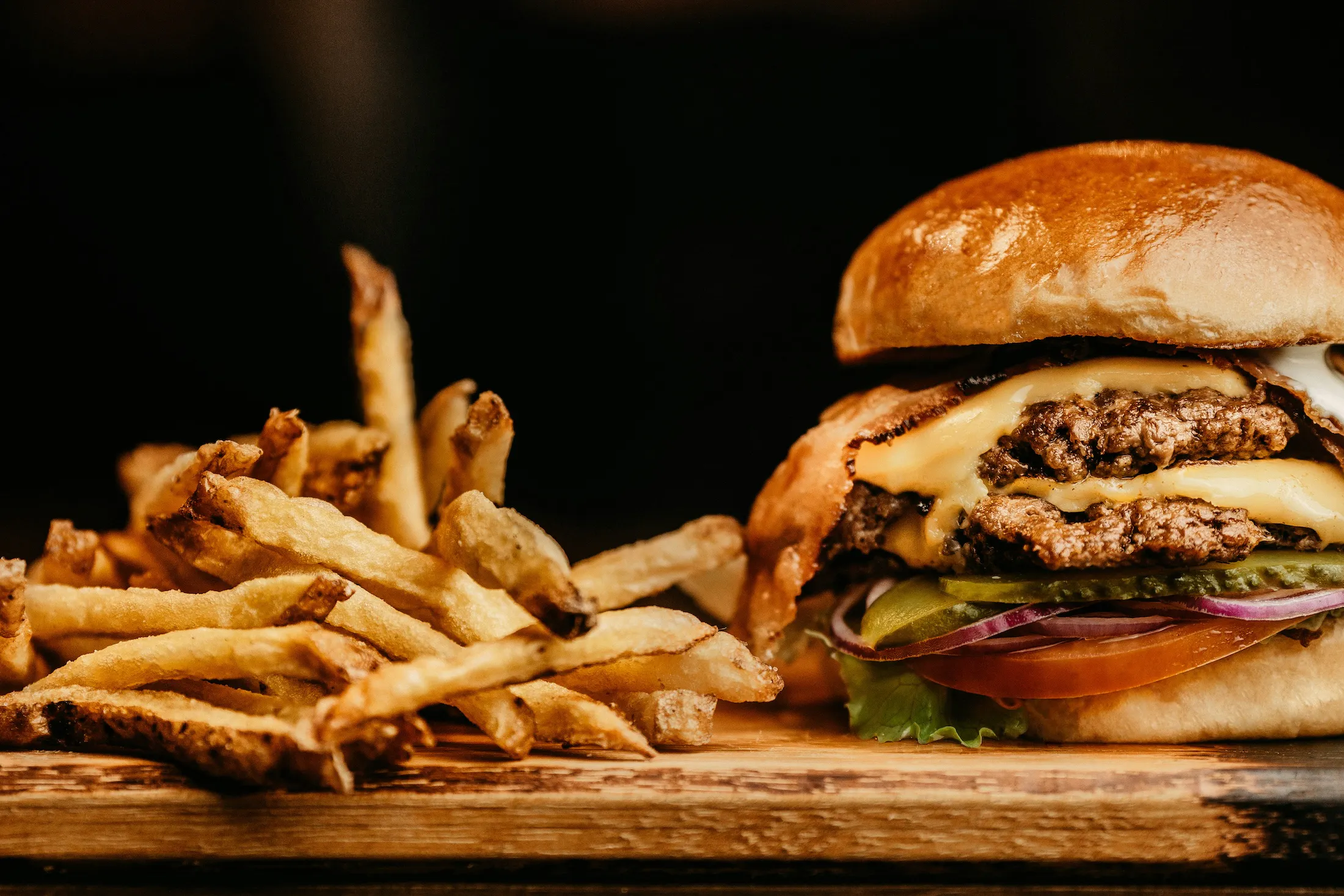
While we've never preached a strict, no-indulgence life, we do believe in being aware of what you're eating and doing so with moderation in mind.
Some dietary patterns and lifestyle habits can contribute to lower testosterone levels, especially when combined with poor sleep, stress, and inactivity.
Excessive Processed Foods
Highly processed foods are often linked to inflammation, weight gain, and poor metabolic health. These factors can negatively impact testosterone production.
Excessive Alcohol Consumption
Heavy alcohol use may reduce testosterone production and interfere with recovery, sleep quality, and liver function.
Chronic Overeating and Weight Gain
Excess body fat, particularly abdominal fat, is strongly connected to lower testosterone levels. Fat tissue can increase estrogen conversion, making hormone imbalance worse.
Severe Calorie Restriction
Crash dieting and extreme calorie deficits may temporarily reduce testosterone levels because the body interprets severe restriction as stress.
Can Testosterone Foods Alone Fix Low T?
For men with clinically low testosterone, diet alone is often not enough. This is where many online claims become misleading. While healthy eating absolutely matters, it usually cannot fully restore testosterone levels when hormone decline is significant.
Men with persistent symptoms may still experience:
- Low energy
- Reduced libido
- Difficulty building muscle
- Brain fog
- Poor motivation
- Erectile dysfunction
- Mood changes
Even after improving their diet. That is because testosterone levels are influenced by many factors, including:
- Age
- Sleep quality
- Stress levels
- Body composition
- Insulin resistance
- Medications
- Overall metabolic health
Nutrition is one piece of the puzzle, not the entire solution.
Popular Health Tips



What Actually Works for Low Testosterone?
The most effective testosterone optimization plans typically combine lifestyle improvements with medically guided treatment when appropriate.
1. Sleep Optimization
Poor sleep is one of the biggest testosterone killers. Testosterone production happens heavily during deep sleep cycles. Improving sleep quality may help support:
- Hormone production
- Recovery
- Energy levels
- Mental clarity
2. Resistance Training
Strength training consistently shows positive effects on testosterone and metabolic health. Compound movements like:
- Squats
- Deadlifts
- Bench press
- Pull-ups
can help support muscle growth and overall hormone balance.
3. Weight Loss and Metabolic Health
Reducing excess body fat often improves hormone function. Many men see measurable improvement in testosterone levels when they improve metabolic health.
This is one reason medically guided weight loss programs can sometimes play a major role in hormone optimization.
4. Stress Reduction
Chronic stress raises cortisol levels, which may negatively affect testosterone production over time. Managing stress through recovery, exercise, sleep, and lifestyle changes can help support better hormonal balance.
5. Medically Guided Testosterone Therapy
For some men, lifestyle changes alone are not enough. When symptoms and lab testing confirm low testosterone, medically supervised treatment may provide significant improvement.
Depending on the individual, options may include:
- Testosterone Replacement Therapy (TRT)
- Testosterone Cypionate Injections
- Therapies that support natural testosterone production, like Clomid
- Comprehensive hormone optimization plans
The right approach depends on symptoms, goals, lab work, age, and overall health.
Why Personalized Treatment Matters
No two men experience low testosterone the same way. One man may struggle primarily with fatigue and brain fog. Another may experience reduced libido, poor recovery, or difficulty maintaining muscle despite healthy habits.
That is why proper testing and individualized care matter. Effective hormone optimization looks at:
- Total and free testosterone
- Symptoms and quality of life
- Body composition
- Metabolic health
- Long-term wellness goals
Instead of relying on internet trends or generic supplement advice.
The Bottom Line on Food and Testosterone
Healthy nutrition absolutely supports testosterone health. Foods rich in healthy fats, protein, zinc, and vitamin D can help support the body’s natural hormone function.
But food alone is usually not enough to fully correct clinically low testosterone. The most effective results often come from combining:
- Smart nutrition
- Exercise
- Sleep optimization
- Weight management
- Stress reduction
- Professional hormone evaluation and treatment when needed
If symptoms of Low T are affecting your energy, confidence, motivation, or quality of life, proper testing and a personalized treatment plan can help identify what is actually going on.
Take the Next Step
If you are experiencing symptoms of low testosterone, getting answers starts with proper lab work and a personalized evaluation. Schedule a consultation with Premier Integrative to learn what treatment options may be right for you.


